The project
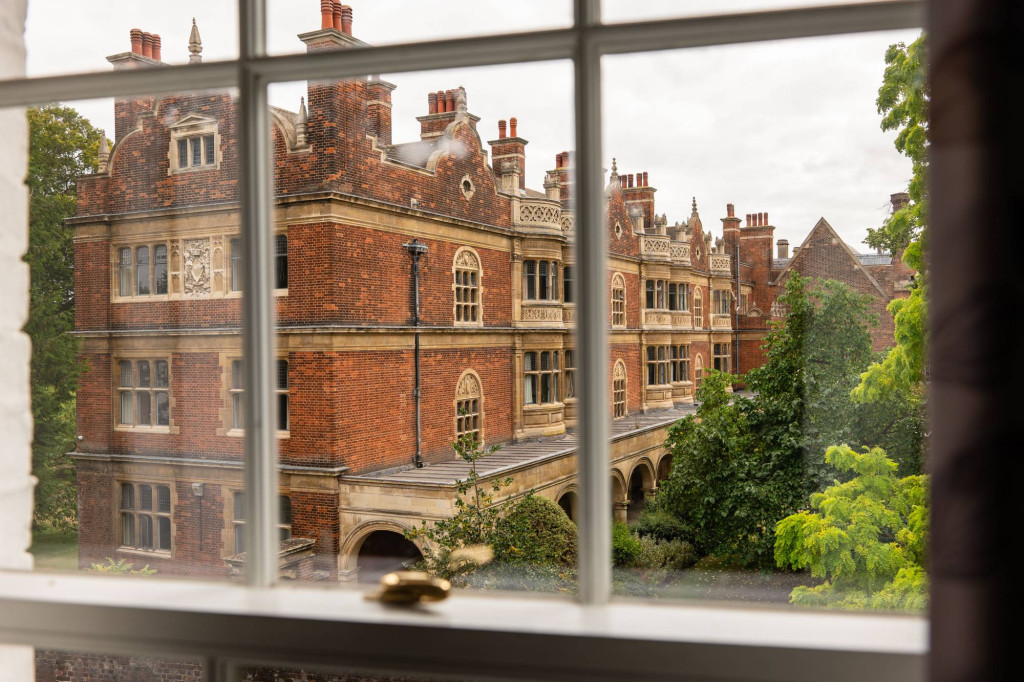
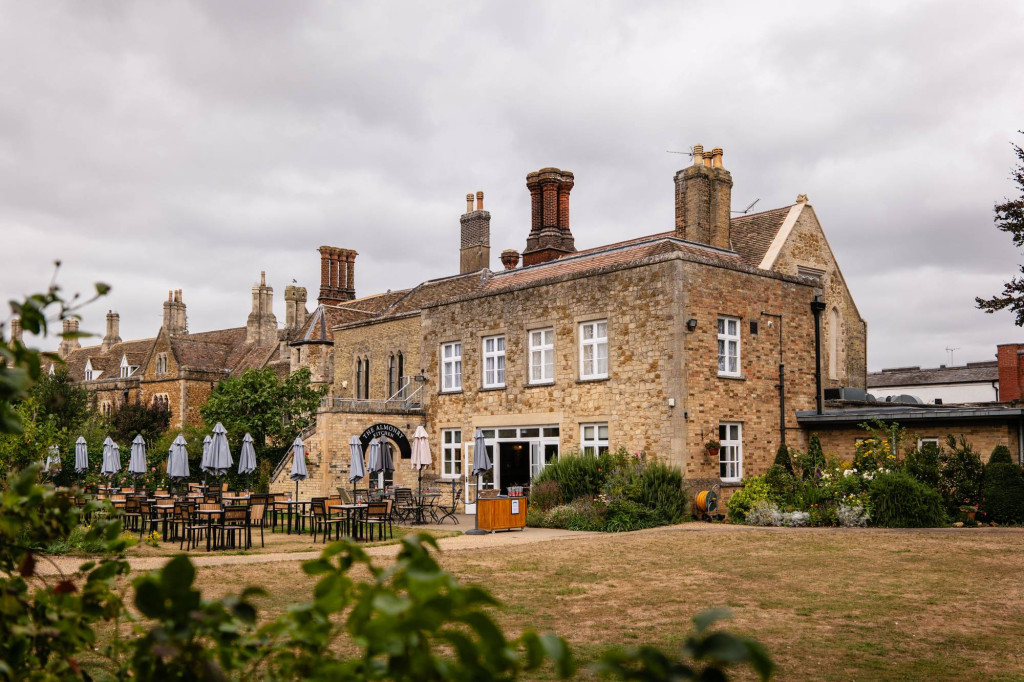
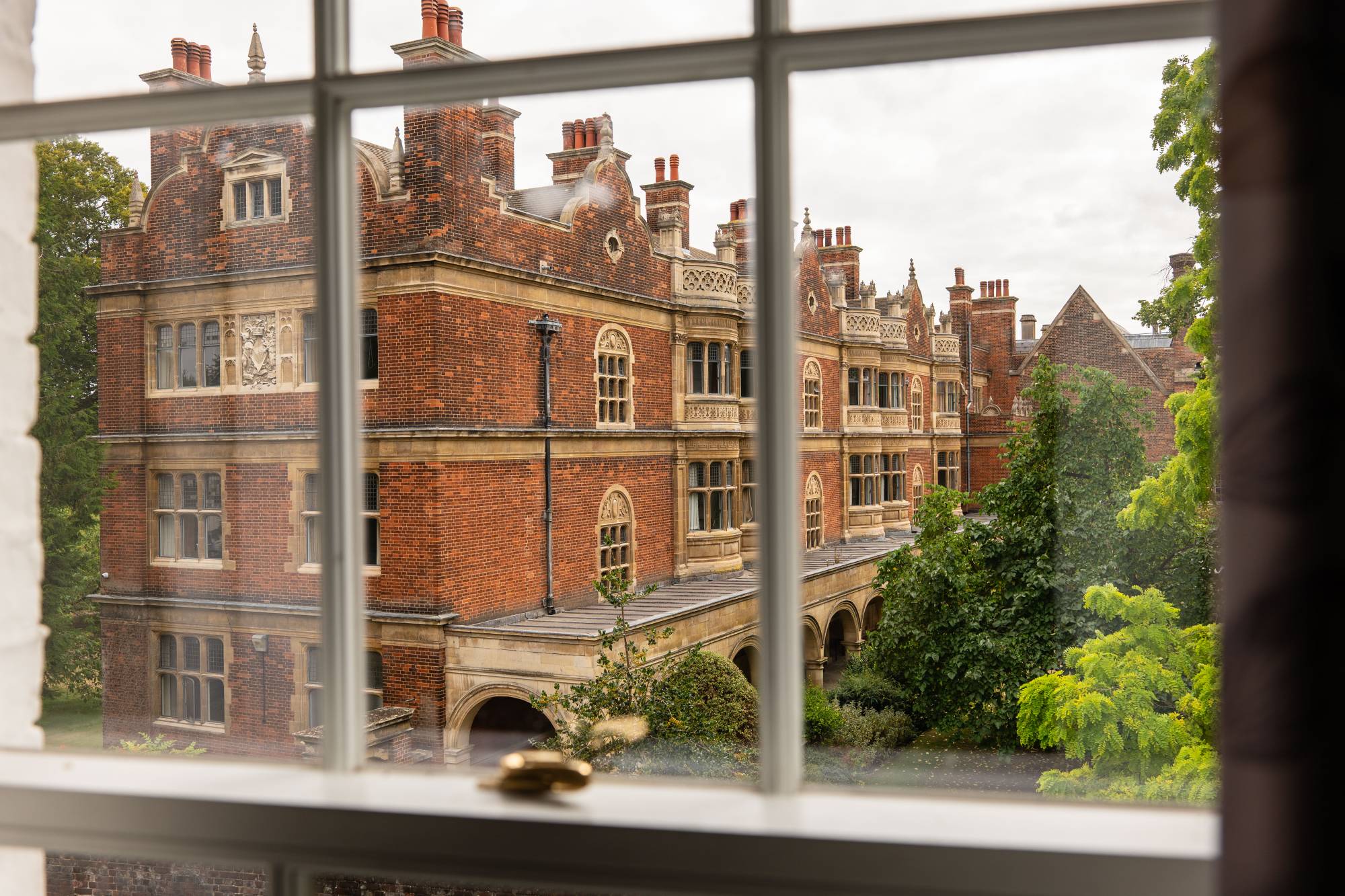
A Cambridge college wanted to replace ageing gas-fired heating systems across several student accommodation buildings. The work formed part of a wider carbon reduction strategy, but the new systems also needed to keep residents comfortable and respect the character of properties dating from the early 1700s to the early 1900s.
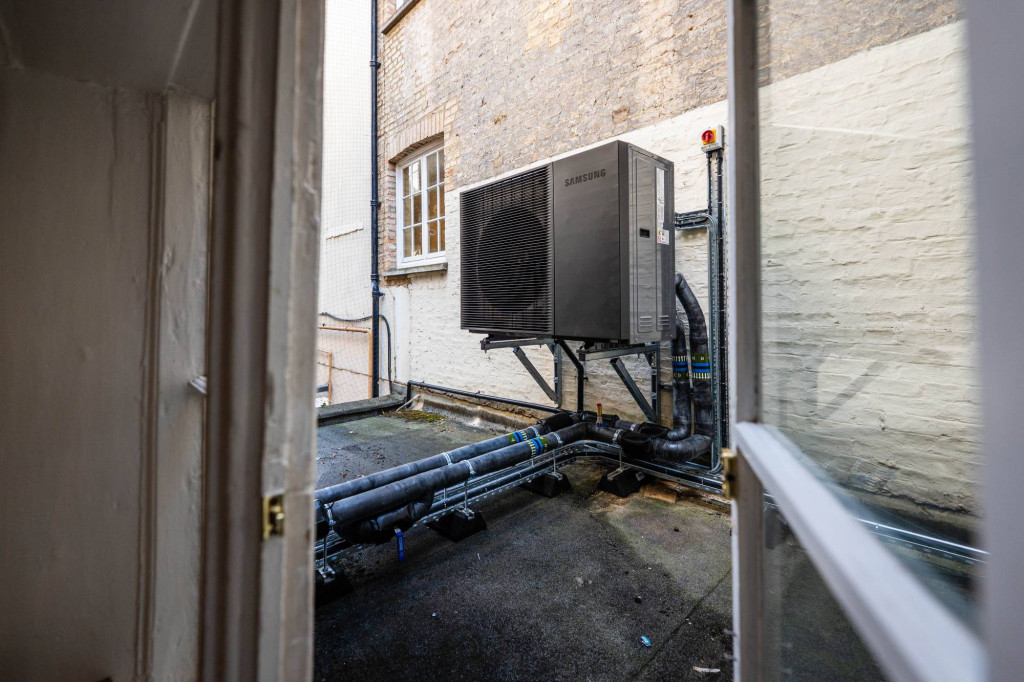
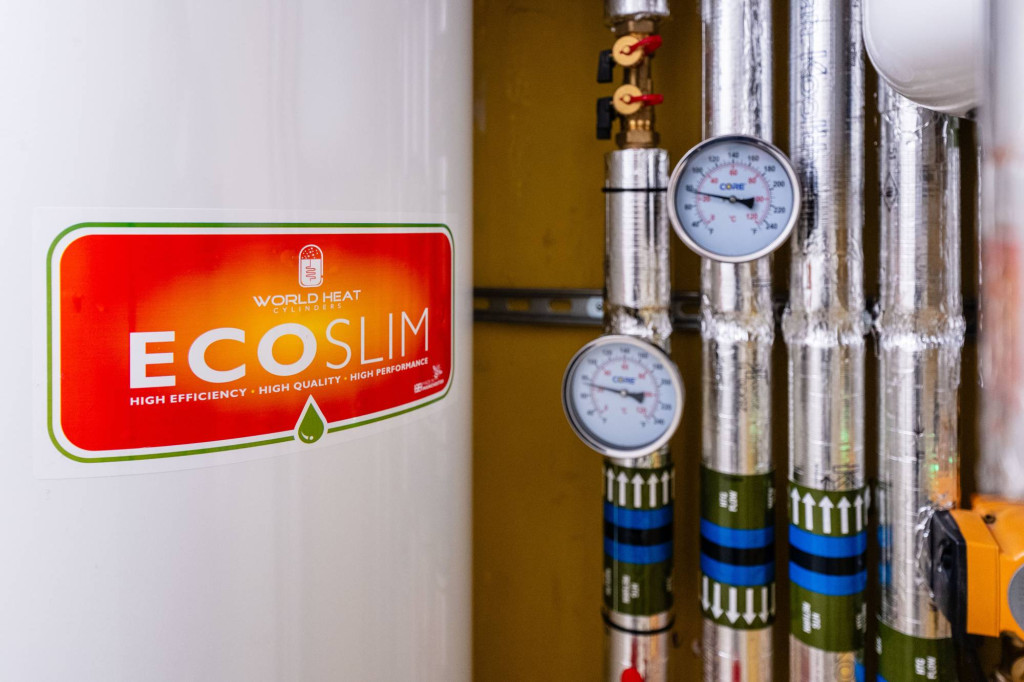
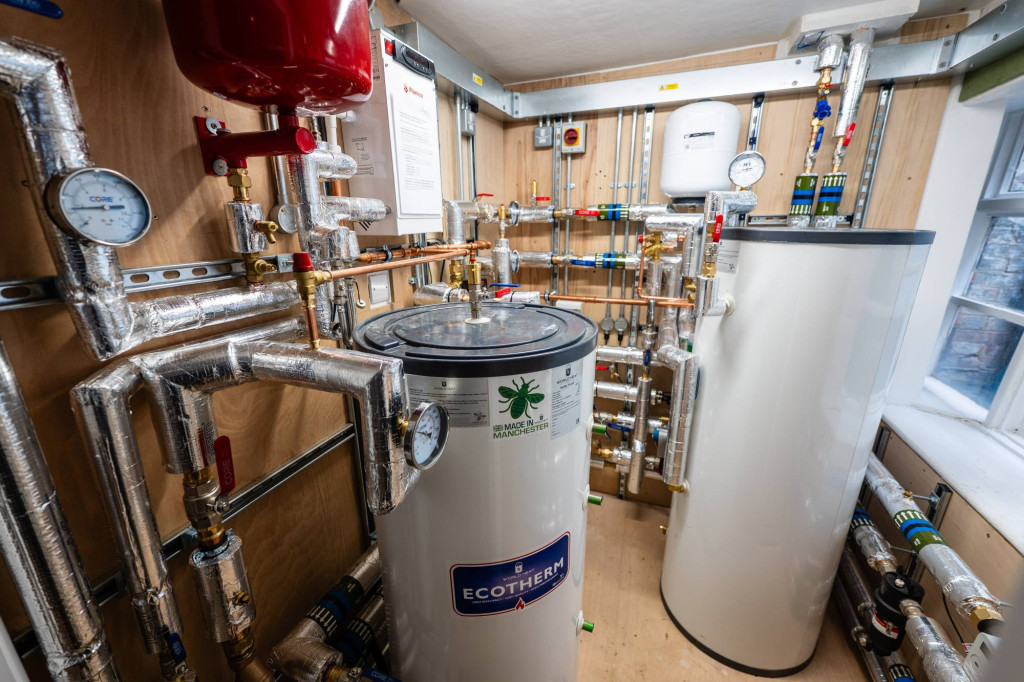
We replaced the existing heating plant with air source heat pump systems, new hot water infrastructure and associated heating upgrades. One property also needed a full radiator replacement to work with the new lower-temperature heating system. Rather than treating every building in the same way, our team planned how the new equipment would fit the space and existing services in each property.
The city-centre setting and the age of the buildings made that planning particularly important. Space for equipment and installation routes was limited, and the existing building fabric needed careful consideration. Detailed surveys and early design coordination helped us find practical ways to integrate the new systems without losing sight of the buildings’ historic character.
The heating and hot water upgrades had to be considered together: changing the source of heat also affects the way it reaches each building and its occupants. The radiator replacement at one property was part of making that transition work with lower-temperature heating, while the surveys informed the approach elsewhere.
The work was delivered within a six-week summer programme. The completed installations replaced the gas-fired heating plant with low-carbon heating and hot water systems, reducing reliance on fossil fuels. They provide a future-ready solution for the accommodation and support the college’s longer-term sustainability plans.