The project
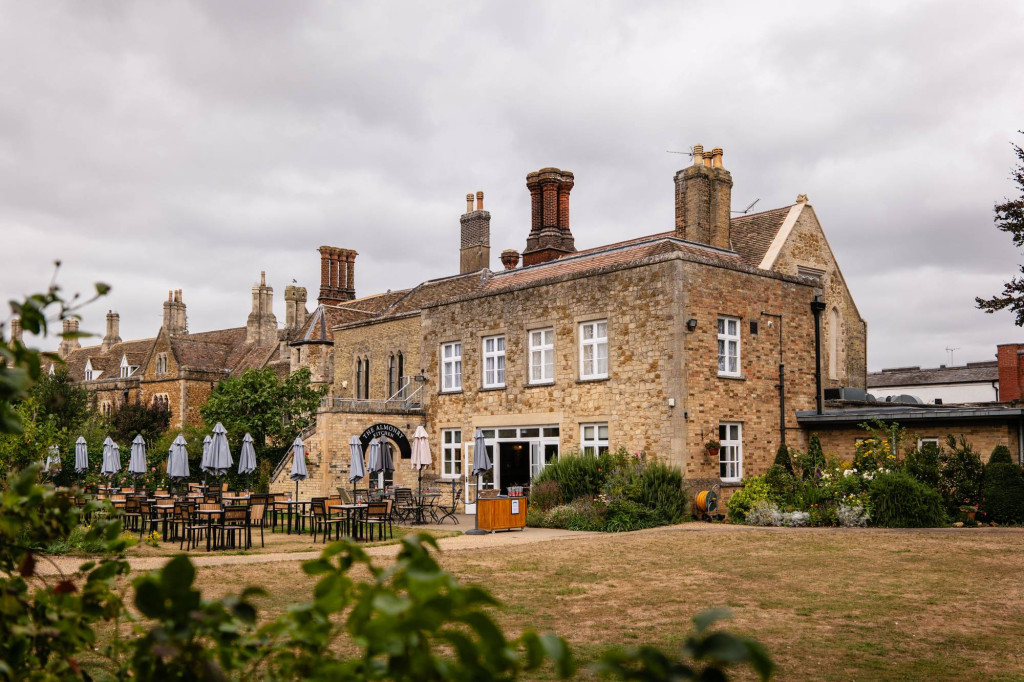
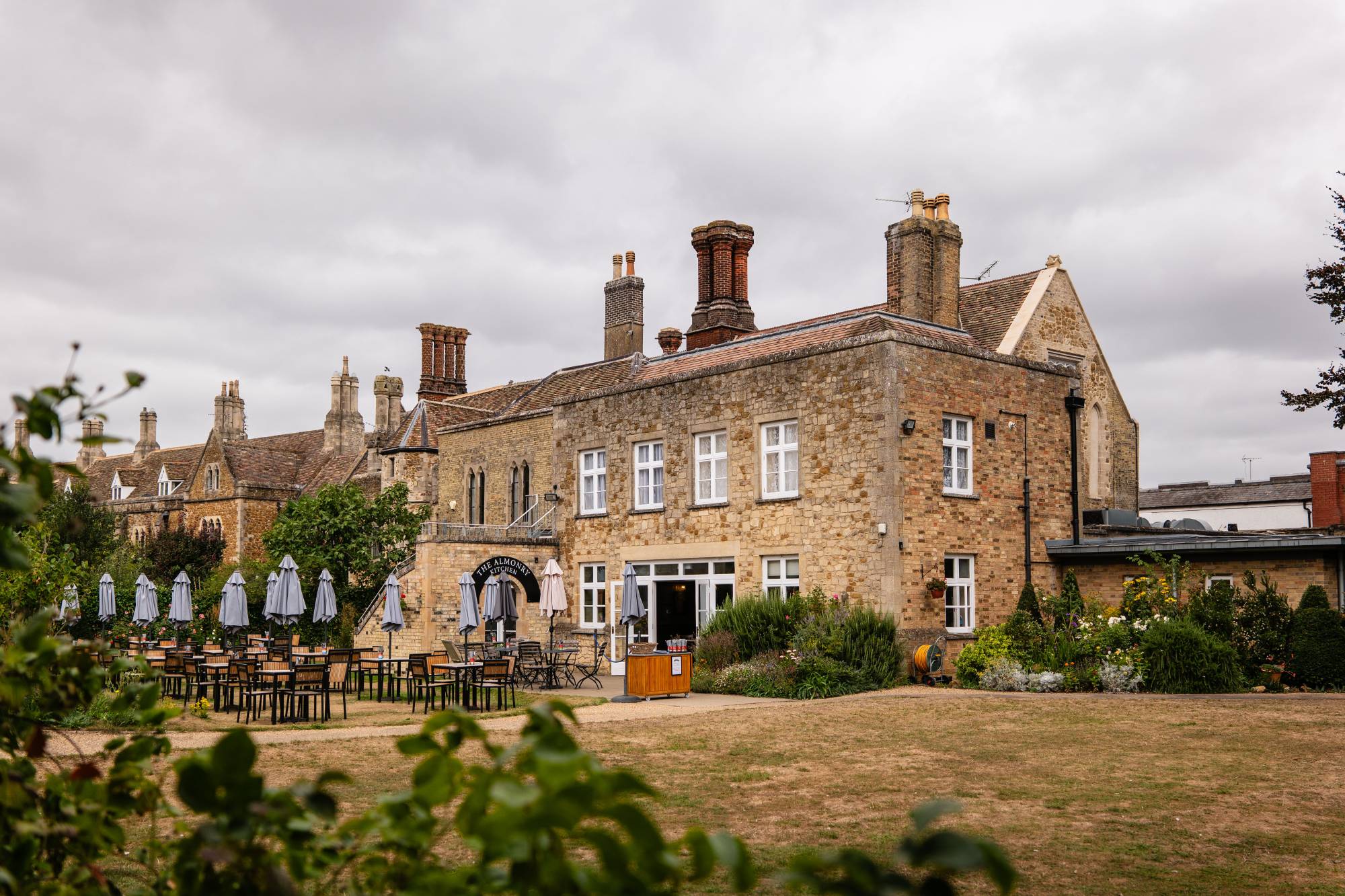
The team responsible for a restaurant in a 13th-century building wanted to replace its existing heating and hot water systems with a lower-carbon alternative. Any new installation had to meet the needs of a working hospitality space while preserving the character of the historic building.
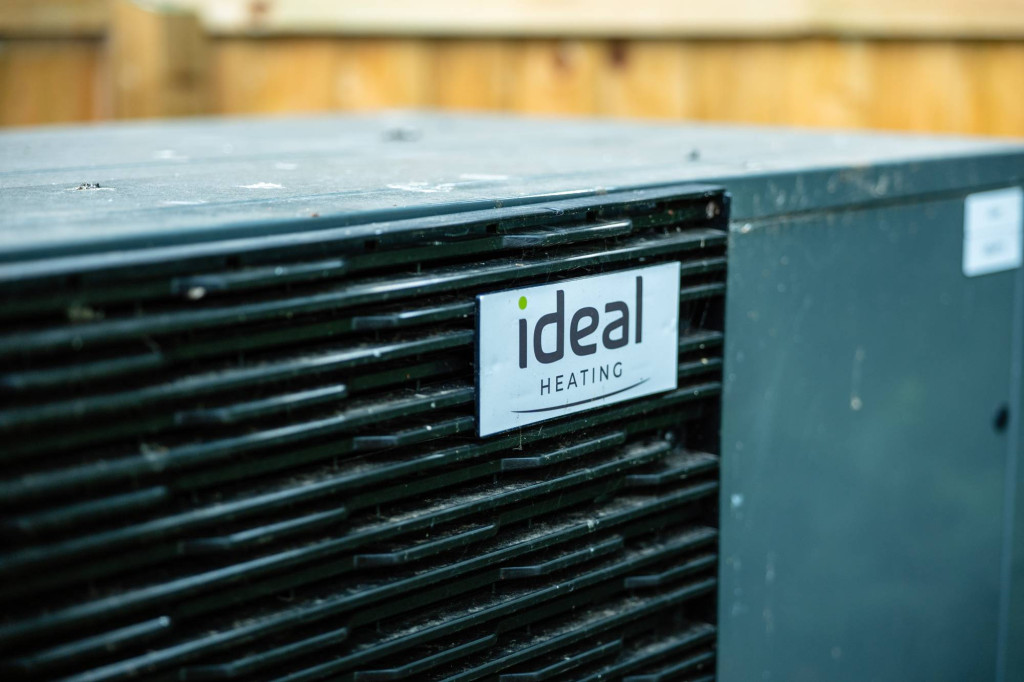
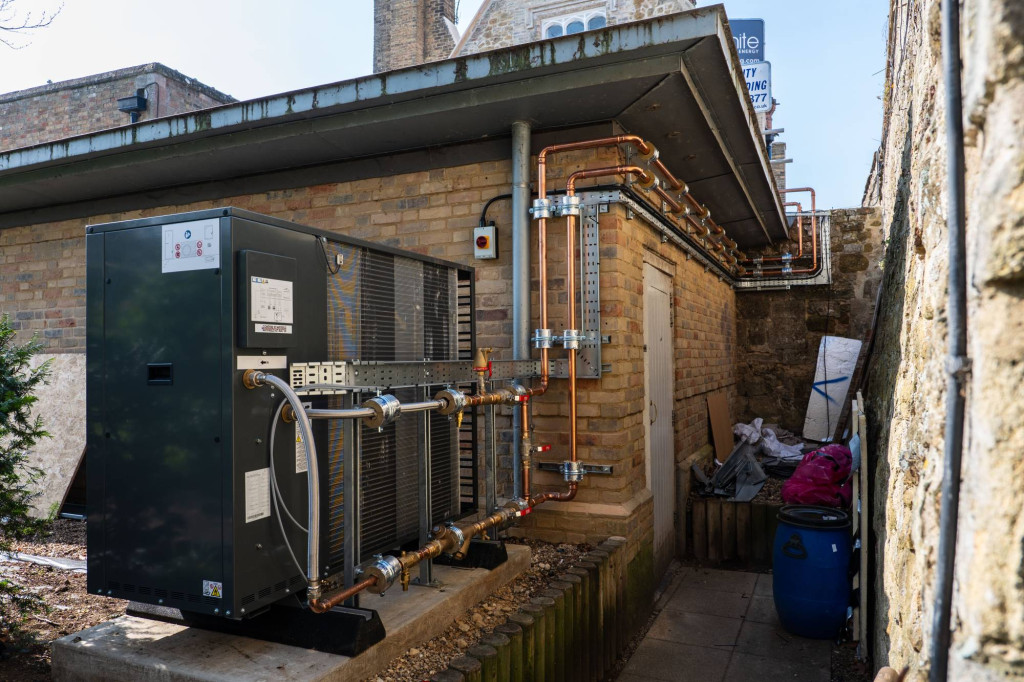
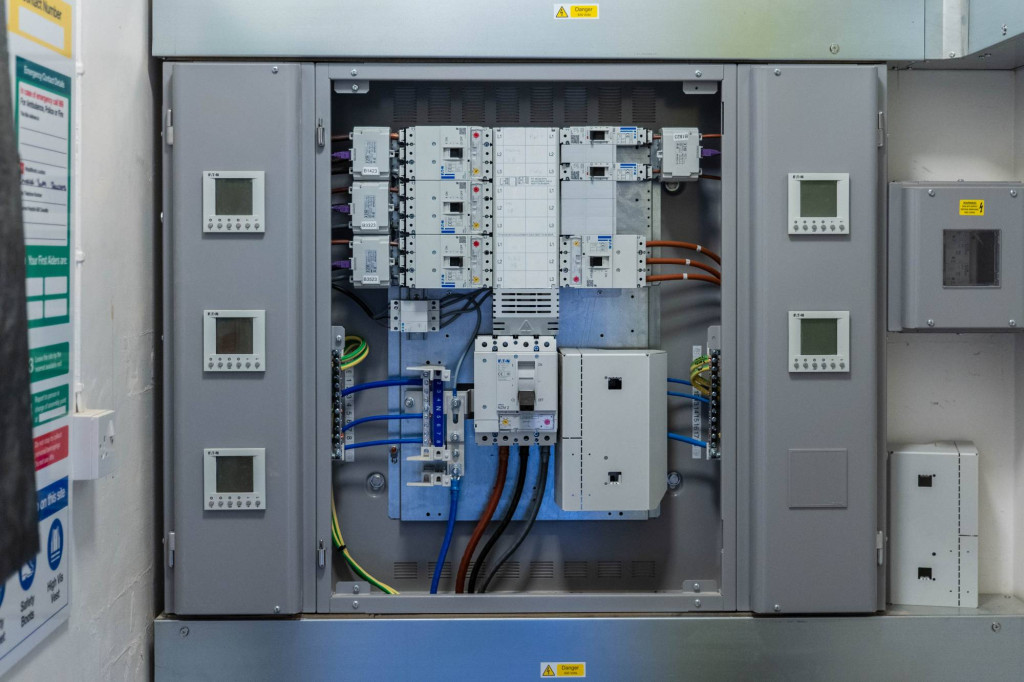
We installed an air source heat pump, new domestic hot water plant and Jaga fan-assisted radiators throughout the property. To support the new heating system, our work also included a three-phase electrical supply, a group metering enclosure, distribution equipment and energy monitoring.
Installing modern equipment in a building of this age calls for a careful approach. Routes for new services were limited, the building’s thermal performance was not straightforward to assess and historic features needed protecting. We carried out detailed surveys and coordinated the design with the project’s stakeholders before bringing the new services into the building. That early work helped us find a solution suited to the building rather than forcing a standard installation into an unusual space.
The electrical work was an important part of the solution. A new supply and distribution equipment supported the change in heating technology, while energy monitoring created a way to follow how the building uses power after installation. Each element needed to be considered alongside the heating and hot water requirements of the restaurant.
The completed system provides heating and hot water with less reliance on fossil fuels. The electrical upgrades and monitoring equipment also give the building the infrastructure needed to understand its energy use over time. It is a practical low-carbon upgrade designed around the demands of the restaurant and the character of the property.